Buying wholesale products for import, resale, or distribution can be highly profitable—but only when buyers clearly understand pricing, sourcing, shipping, payment terms, and product quality. This FAQ guide answers the most searched questions buyers ask on Google when looking for a reliable wholesale supplier.
If you are a trader, distributor, importer, or end buyer, this article will help you make confident purchasing decisions and understand how professional wholesale sourcing works.
What Products Are Commonly Bought in Wholesale for International Trade?
Wholesale buyers commonly purchase products that have high demand, fast turnover, and stable resale margins. These include consumer goods, industrial materials, agricultural products, and vehicle-related products.
Popular wholesale categories include:
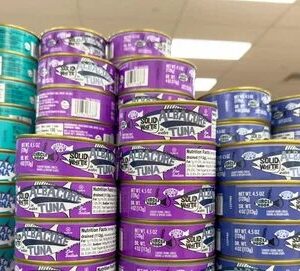
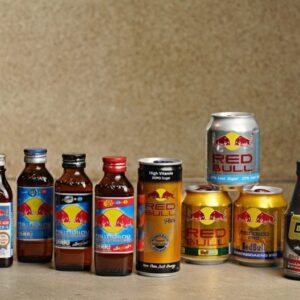
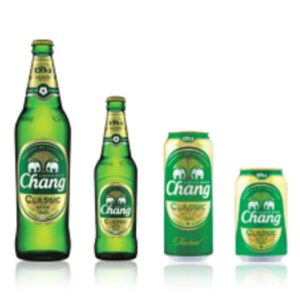
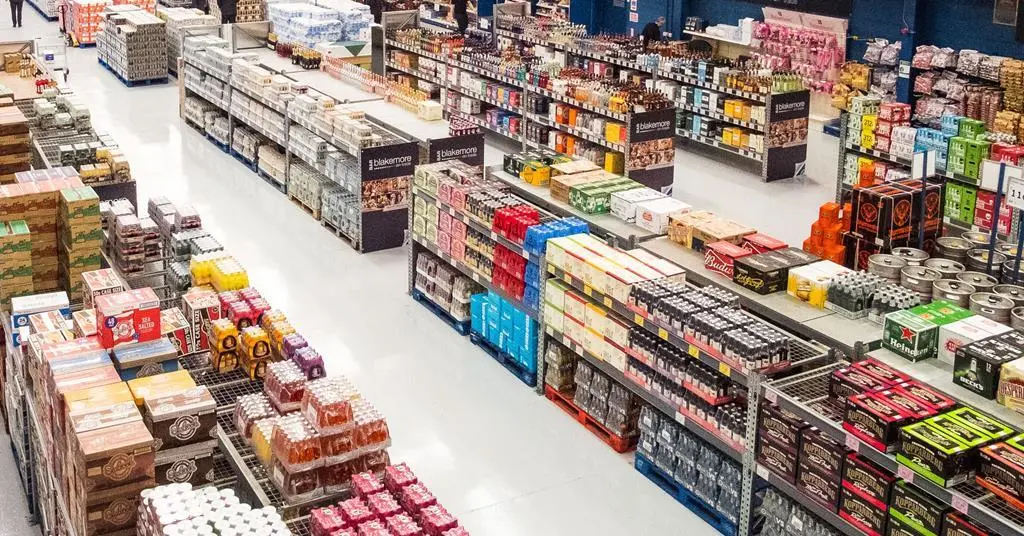
FMCG products such as beverages, diapers, and household goods
Metals and scrap materials such as aluminum scrap, copper scrap, and brass
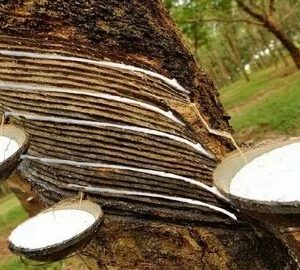
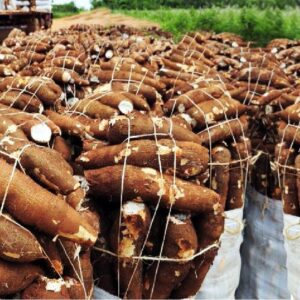
Agricultural products like cassava, grains, and natural rubber
Timber products such as eucalyptus logs and veneer
Used vehicles, tyres, and automotive-related goods
Buyers usually search for suppliers that can handle bulk quantities, export documentation, and international shipping efficiently.
How Do Wholesale Prices Work?
Wholesale prices are usually quoted per unit, per carton, per metric ton, or per cubic meter, depending on the product type. Pricing depends on:
Quantity ordered
Product grade or specification
Packaging type
Market conditions
Shipping terms (FOB, CFR, or CIF)
Wholesale pricing is lower than retail pricing because it is designed for resale, distribution, or industrial use. Buyers looking for the best deals often negotiate long-term contracts or monthly supply agreements.
What Does FOB, CFR, and CIF Mean in Wholesale Trade?
These are international trade terms commonly searched by buyers:
FOB (Free on Board): The seller delivers goods to the loading port; the buyer handles freight and insurance.
CFR (Cost and Freight): The seller covers shipping cost to the destination port, excluding insurance.
CIF (Cost, Insurance, and Freight): The seller covers product cost, freight, and insurance to the destination port.
Most buyers searching for “wholesale price with shipping” are usually looking for CFR or CIF offers.
How Are Wholesale Goods Shipped Internationally?
International wholesale shipments are handled via:
Sea freight (containers or vessels) for bulk and heavy goods
Air freight for samples or urgent shipments
Goods are shipped from major ports such as Laem Chabang Port (Thailand) depending on origin. Packaging is designed to protect products during long-distance transportation.
What Packaging Is Used for Wholesale Orders?
Packaging depends on the product type:
Cartons and pallets for FMCG goods
Jumbo bags or bales for scrap and raw materials
Loose loading or vessel shipment for logs and timber
Palletized cartons for retail-ready products
Export-standard packaging is essential to prevent damage and comply with customs requirements.
How Do Buyers Verify Product Quality?
Quality verification is a major concern for wholesale buyers. Common methods include:
Product photos and videos
Third-party inspections (SGS, BV, Intertek)
Certificates of analysis or quality reports
Pre-shipment inspection
Buyers searching for “trusted wholesale supplier” often look for transparency and inspection options.
Can Buyers Request Samples Before Placing Bulk Orders?
Yes, samples are commonly requested, especially for:
FMCG products
Agricultural products
Food and beverages
However, sample shipping is usually paid by the buyer, especially for air freight. Many experienced buyers proceed directly with a trial container order instead of samples to reduce cost.
What Payment Terms Are Used in Wholesale Trade?
The most common wholesale payment structures include:
30% advance + 70% balance before shipment
100% advance for samples
Bank transfer (T/T)
LC for large and established contracts
Secure payment terms protect both buyers and sellers and are standard in international trade.
Who Can Buy Wholesale Products?
Wholesale suppliers usually work with:
Traders
Importers
Distributors
Retail chains
End buyers
Buyers are often asked to declare whether they are traders, mandates, or end buyers to streamline negotiations and pricing.
Is Wholesale Buying Suitable for Small Businesses?
Yes. Many small and medium businesses start with:
One container
Mixed product loads
Trial orders
Wholesale sourcing allows businesses to scale gradually while maintaining competitive pricing.
Why Is Thailand a Popular Source for Buying Wholesale Products?
Thailand is a major global sourcing hub due to:
Strong manufacturing base
Reliable logistics infrastructure
Export-friendly regulations
Consistent product quality
Buyers frequently search for “wholesale supplier Thailand” because of these advantages.
How Long Does Wholesale Shipping Take?
Shipping timelines depend on:
Destination country
Shipping method
Port congestion
Sea freight typically takes 2–6 weeks, while air freight takes 3–7 days.
What Documents Are Provided With Wholesale Shipments?
Common export documents include:
Commercial invoice
Packing list
Bill of lading
Certificate of origin
Inspection certificates (if required)
Proper documentation ensures smooth customs clearance.
How Do Buyers Get the Best Wholesale Deals?
To secure the best wholesale pricing, buyers should:
Order in bulk
Confirm specifications clearly
Be flexible with shipment schedules
Build long-term supplier relationships
Searches like “best wholesale supplier” usually lead buyers to companies that combine price, reliability, and transparency.
Final Thoughts: Buying Wholesale Products With Confidence
Buying Wholesale Products helps businesses cut costs and scale faster. When Buying Wholesale Products, you access bulk pricing, consistent supply, and better margins. Smart brands grow by Buying Wholesale Products from trusted suppliers, streamlining logistics and inventory. Whether retail or B2B, Buying Wholesale Products boosts profitability, reliability, and competitiveness. Start Buying Wholesale Products today to secure quality goods at the best value.
Buying Wholesale Products drives growth. Buying Wholesale Products reduces sourcing risks, while Buying Wholesale Products strengthens long-term supplier partnerships and improves cash flow globally today.
Buying Wholesale Products is about trust, clarity, and consistency. Buyers who understand pricing, shipping, specifications, and payment terms are better positioned to succeed in international trade.
By choosing a professional wholesale supplier with export experience, buyers reduce risk and gain access to profitable products with global demand.